|
A guide to self reliant living |
|||||||||||||||||||||||||||
|
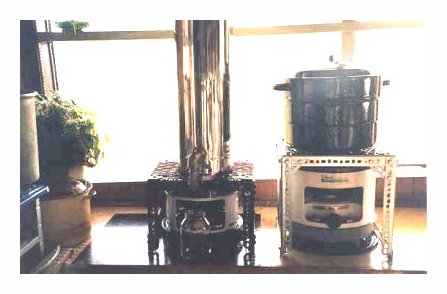
6. Kerosene heaters and cookers
12.
Electrical; generators
Miles Stair's SURVIVAL
Miles Stair's
SURVIVAL
|
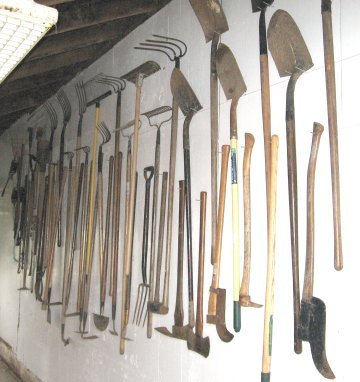
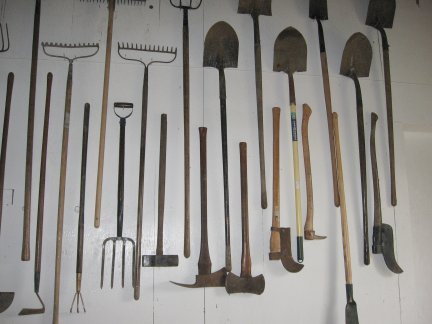
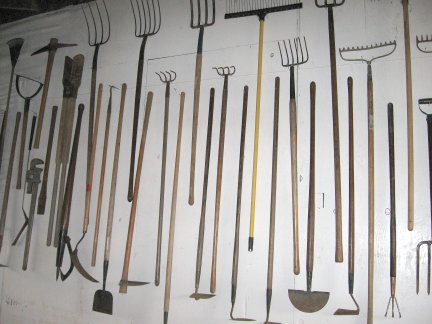
10. Essential Tools Tools are civilization. Proper tools allow tasks to be done quickly and efficiently, so life can be more than a dreary, bone weary scavenge for food and shelter. Many farms up until WW II had the proper tools to be virtually self sufficient...and that meant manual, non electric tools and machines which would work come hell or high water, year after year, from one generation to the next.
Modern families and even farms rarely have enough non electric equipment to even begin to heat homes or as a means to cook their meals. The necessary equipment is still available, some new, some only available at flea markets or antique shops. But this equipment can still be found if only one has the persistence and dedication to search them out. Our civilization is now defined by electricity. Take that away, and "civilization" as we know it comes to an end for most people. Life would go on - as it did a hundred years in the past. The unprepared could starve, many will die of hypothermia in the cold darkness of their once "user friendly" homes. "Something wicked this way comes." Thoughtful, brave men, though, would be able to survive with a degree of comfort, providing they prepare to live without electrical energy now, while still possible.
The basic categories of essential tools required for survival in our very uncertain future can be broadly classified under the following categories:
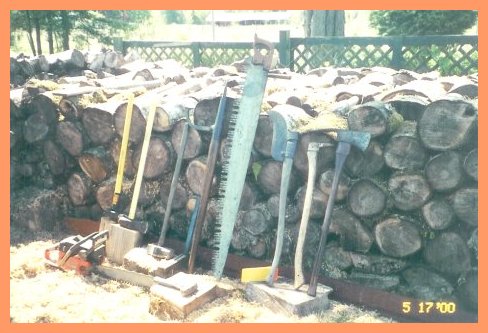
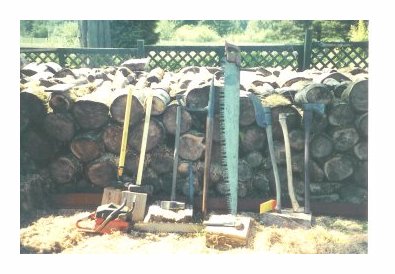
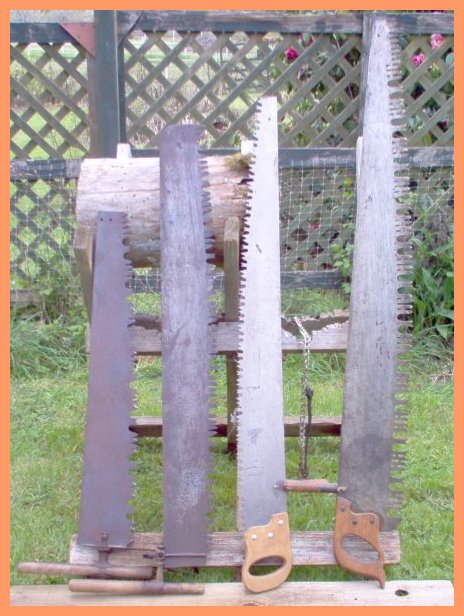
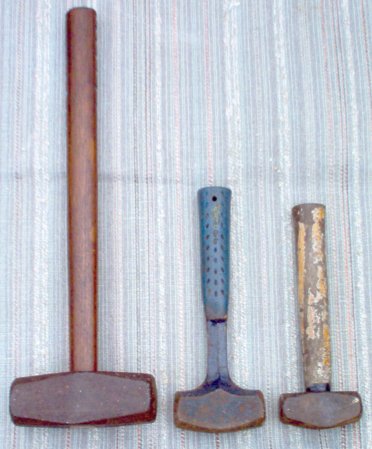
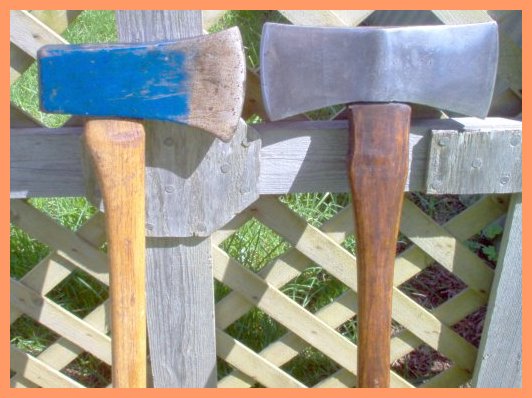
Will life "The Day After" be pleasant? In a word, no. It would be ridiculous and irresponsible to believe that our so called "lifestyle" would continue unabated. You must prepare now for the security of your families. There are no alternatives if you desire to stay out of harms way in the near future. Today I can go into the shop and get a cross cut saw, wedges and single jack, walk out into the woods and fall a dead tree. Limbing can be done with a heavy single bit axe, and if needed sections cut and yarded out into an open area with a hand winch or a long rope and pulleys. Then the tree can be sawed into firewood lengths. Then splitting mauls, augmented with splitting wedges and a sledgehammer, are available to split the wood into sections suitable for burning. Being from a dead tree, the wood will burn immediately in a wood stove for heating or cooking. That is possible only because I have not only the equipment necessary, but also the wood stoves in place now, when they are available. My neighbors are also rural dwellers, but they heat with electricity, cook with electricity, pump water from deep wells with electricity, and have no alternative methods to compensate for the ultimate failure of the electric utility grid. Most of these people have long since discarded their wood stoves, even trash burners that could heat a kitchen, remodeled perfectly useable wood burning fireplaces into "pretty" artificial log systems, destroying the infrastructure of a once reliable source of heat. I personally have had conversations with neighbors who actually believe their artificial fireplaces could still be used if the power was down! They forgot the electric fans which make the system work! And they will have no water when the power goes out. That is their fault, not mine. They have chosen to be totally dependent upon others and upon fragile technology very new in the history of mankind for their very existence. We have the "free will" to act, or not to act, in such a manner as will ensure our survival as free, independent souls, and not have to beg for handouts from "big brother" in order to live from one day to the next. What is your choice? It is very possible you may want to bury and "lose" some essential tools that may be very important to your future survival. Engine oil is NOT a rust preventive oil. If you need to preserve any carbon steel products against rust (as in buried storage), a real rust preventive oil must be used. The best product I have found for rust prevention is NAPA brand "Chain and Cable" lubricant. It comes in a spray can and sprays out as a highly penetrating foam. The foam dissipates into an oil and penetrates into the pores of the steel. After awhile wipe off any excess, cover the item carefully with moisture-proof material, then seal the seams against any water infiltration. Don't forget that "Seal-A-Meal" bags are available in 20 foot lengths and either 7 or 10 inches wide - ideal for sealing long, narrow objects you would want in a future dire emergency. The package can then be placed into a sturdy container (metal or thick PVC pipe), coated with liquid paraffin, wrapped again with black plastic sheeting (to protect the paraffin) and the seams sealed with vinyl tape, then buried. Bury at least 3 feet deep, cover the object with a foot of dirt, throw some scrap iron or old pipe into the hole, then finish covering with dirt, finally replacing the surface material so the landscape does not appear disturbed. If anyone with a metal detector gets curious, they will find the scrap iron first and hopefully get discouraged from digging further.
~~~~~~~~~~~~~~~~~~~~~~~~
|
Books by Dale Raby
Available as ebooks at
Book Country,
Amazon,
B&N,
Google Books
|
|||||||||||||||||||||||||