|
A guide to self reliant living |
||||
|
6. Kerosene heaters and cookers
12.
Electrical; generators
Miles Stair's
SURVIVAL Miles Stair's
SURVIVAL |
HOW MUCH TO STORE? The experts at the FDA have said that the average adult will consume the following amounts of fresh food per year.
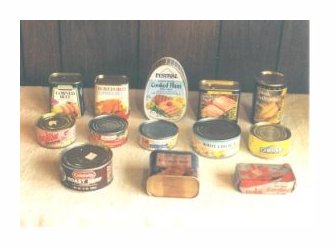
The figures above are nice guidelines, but they need to be considered from the technical angle of preserved foods rather than fresh foods. Meat: Under adverse conditions, people can easily get by with less protein than 150 pounds of fresh meat per year, as that averages to almost a half pound per day! A canned, cooked one pound ham, for example, would be a real treat once a week, and easily feed a family of four. For weekday meals for a family of four, a 5 ounce can of tuna, canned chicken, 12 ounce can of luncheon meat, or 12 ounce can of corned beef can be used in a casserole (or whatever) and provide the required protein.
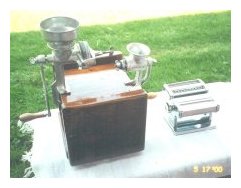
Flour: The listed amount of 200 to 300 pounds of flour per year is fairly realistic, as in catastrophic conditions people would be making their own bread and pasta, for example. Using a hand cranked mill to produce flour from whole wheat is a sure way to limit the amount of flour required, as it is hard work!
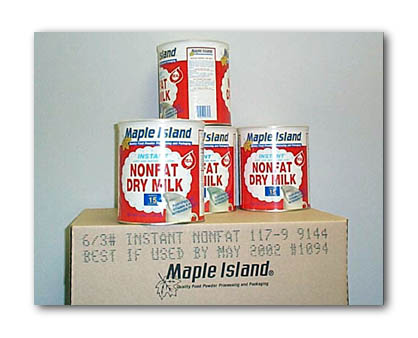
Sugar or honey: The recommended 60 pounds is the absolute minimum needed, in reality far below the actual amount desired, as sweeteners are the carbohydrates needed for energy, and survival is hard work. The 60 pounds listed by the FDA does not take into account home canning, for example, and people will need to make jellies and jams and can fruits, all of which require a considerable amount of sugar or honey. Fats or oils: Again, this is an absolute minimum amount needed, as 60 pounds of fats or oils does not go far when used in baking, frying, and other uses. In hard times, people actually require fat in their diet in order to do hard work. In every country in which food is rationed, cooking oils are one of the first items of scarcity. Indeed, in Russia last fall cooking oils were almost impossible to find, even though not specifically rationed. Corn oil stores for years, and so does plain, inexpensive hydrogenated lard. Salt: Whoever at the FDA dreamed this up must have been a nutrition Nazi. Five pounds of iodized table salt would be the recommended minimum per person per year, but what about making kraut, salt preserving meat, or preserving fish in a barrel of salt? For those needs, a family should have at least 50 pounds of fine grade, non iodized salt, available for less then $5.00 from a feed and seed store. Salt is essential to life! Remember the salt caravans from the old days in Africa and the middle East? Salt was worth more than gold! Powdered milk: The 75 pounds recommended per person is fine, but for cooking needs a couple of cases (48 cans) of canned, condensed milk is an absolute necessity.
Vegetables and fruits: In hard times, greens and fruits can indeed be a vital food item, as they provide the vitamins and minerals our bodies require to remain healthy. Storing vegetables and fruits is where a food dehydrator really shines. Combine the dried veggies with fresh greens from a garden and canned fruit juices and sauces, and the 600 pound per year amount becomes far more attainable. Fruit juices may also be canned, and they contain essential vitamins and minerals to keep us healthy. ------------------
|
|
||