|
A guide to self reliant living |
|||||||||
|
6. Kerosene heaters and cookers
12.
Electrical; generators
Miles Stair's SURVIVAL
Miles Stair's
SURVIVAL |
VETERINARY MEDICATIONS There have been many questions and comments on the use of aquatic and veterinary medicines for emergency use for people. I have checked with three (3) physicians on this subject over the years regarding veterinary medicines, and all made the same comments:
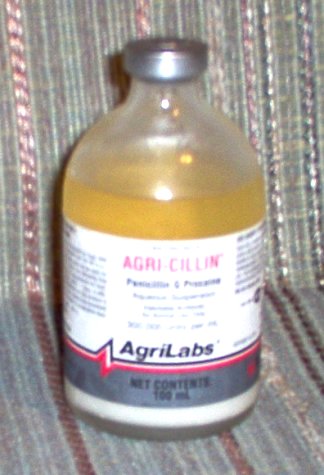
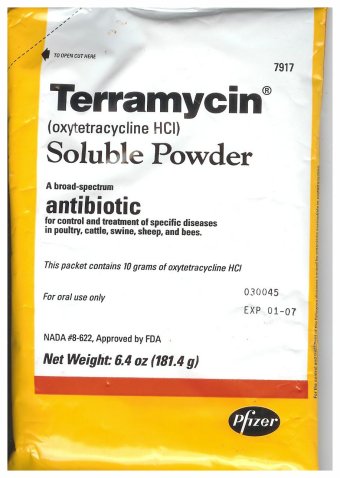
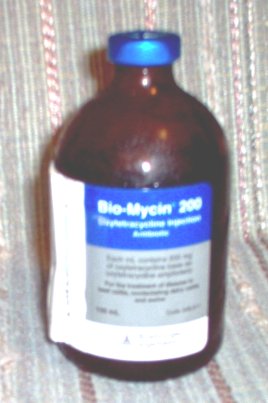
1. Penicillin for human use has been refined, as the original Pasteur discovery penicillin led to tinnitus (ringing in the ears) with prolonged use. Pasteur worked to discover penicillin as an antidote for "wool sorter's disease," or anthrax. Ultra refined penicillin is no longer a "specific" for anthrax, but veterinary penicillin remains so. Veterinary penicillin is available is USP grade, and is therefore certified pure and useful in humans for its original intended purposes. Veterinary penicillin is available under various trade names, such as "Combiotic," "Pen-Aqueous," Penicillin G Procaine Aqueous Suspension," etc. 2. Veterinary medications are not of a consistent strength, so one must read the label and use the dose rate for that particular batch as for weight, using pigs for the dosage required, as their physiological reaction is extremely similar to humans. 3. Comments (1) and (2) above apply in general to tetracycline as well. For veterinary use, it is always available in USP grade, and therefore certified as pure. Tetracycline for veterinary use is a specific for bubonic plague, and given in doses as listed under (2) above. Common brand names for USP veterinary tetracycline are "Oxytet," "Bio-Mycin 200," "Oxytetracycline Injection Antibiotic," etc. 4. Terramycin (oxytetracycline HCI) Soluble Powder is available in either "TM 25" or "TM 50" strengths, and is listed for use "in poultry, cattle, swine, sheep, and bees." It is for oral use only, and can be used as with (3) above, in dose rates for swine. 5. The U.S. military position states the treatment of choice for anthrax is a mixture of procaine penicillin and neoarsphenamine--NOT normal drug store human penicillin. That, of course, is veterinary penicillin. 6. Veterinary medicines are available over the counter, without a prescription, from many drug stores in horse country and from most feed and seed stores. Therefore, the costs are quite humane. 7. Epinephrine 1:1000 for the treatment of anaphylactic shock is the same as human epinephrine, but the cost via prescription quadruples the cost vs veterinary medicines. This product is now only available from a veterinarian, or by prescription from your physician -- but some veterinary supply stores stock it for sale with only with a signature - by government decree. If you cannot get a supply from a local veterinarian, tell your doctor you're a beekeeper and need to keep some EpiPen Auto-injectors handy, and you should be able to get a prescription for epinephrine. 8. Nolvasan Antiseptic Ointment may be the best wound ointment available. A little goes a long way, so some can be packed in 35mm film canisters and kept in every survival kit. Be sure to label the container! 9. Three physicians read and approved the use of veterinary antibiotics as antidotes for agents of biological warfare, as listed in my booklet, "Biological Warfare: Detection, Treatment & Decontamination," as for these uses prolonged use is not an issue -- saving lives is. And given extreme emergency prolonged use to save lives, even the remote chance of tinnitus should be considered insignificant, as the patient must be alive to have that affect!
There have been several comments regarding the varying strength of nonhuman specific, or veterinary medicines. That is a valid comment, and is one reason for the insanely inflated price of the same medicines from the same manufacturer for human-intended medicines as opposed to those sold for veterinary purposes. In large manufacturing endeavors, it is quite common for different batches or "lots" of almost anything of complex structure to have varying strength from an established "standard." Ammunition reloaders are quite familiar with this concept as it relates to smokeless powder. For example, on a standard burning rate chart where Bullseye is "1" and H-4831 is "100," then IRM 4985 is rated as a "50." When any particular batch or lot tests at "48" or "52," it is sold in bulk to factory ammunition manufacturers, who simply adjust the grain weight of the powder charge for that particular lot of ammunition. Those lots which come in very close to "50" are packaged and sold to individuals for reloading (at significant price increases), and thus the distinction between "canister" and "non-canister" smokeless powders. Aquatic and veterinary antibiotics have been used for years for human use, and will continue to be used for such purposes, with no ill effects whatever, regardless of any "controlling factors" or authorities who discourage such use. And given their significantly decreased price, lack of any registration or limitations on acquisition, long storage life, and proven therapeutic value, those who are preparing for any long-term emergency would be wise to including them in their supplies. One source of online veterinary medicines is http://petscriptions.com/index.php
More vet med links - check them for accuracy and still-being-there! www.shoreland.com/acoem/bioagent.html www.healthysf.org/pharmacy/hospitals/ www.pharmacynetworkgroup.com/i/augmentin-indications-dosage.htm www.pharmacynetworkgroup.com/i/cipro-indications-dosage.htm www.pharmacynetworkgroup.com/i/flagyl-indications-dosage.htm www.pharmacynetworkgroup.com/i/monodox-indications-dosage.htm www.pharmacynetworkgroup.com/i/bactrim-indications-dosage.htm www.pharmacynetworkgroup.com/i/erythrocin-indications-dosage.htm www.pharmacynetworkgroup.com/i/keflex-indications-dosage.htm www.pharmacynetworkgroup.com/i/nizoral-indications-dosage.htm DISCLAIMER: IF IN DOUBT ABOUT ANY MEDICAL PHARMACEUTICALS, CONSULT YOUR PHYSICIAN, NOT YOUR LAWYER. WE ACCEPT NO RESPONSIBILITY FOR THE USE OF ANY PRODUCT, LIVING OR DEAD. THE INFORMATION GIVEN ABOVE IS FOR YOUR EDIFICATION ONLY -- YOU HAVE THE ULTIMATE DECISION ON WHETHER OR NOT TO SAVE YOUR LIFE AND THAT OF YOUR FAMILY. ~~~~~~~~~~~~~~~~~
| 1. Food | 2. Manna Meals |
3. Water |
4. Sanitation | 5. Medical, health |
| 6. Kerosene heaters and cookers | 7. Lighting | 8. Wood cooking and heating | | 9. Communications | 10. Essential Tools | 11. Home built items | | 12. Electrical; generators and power | 13. War preparedness | 14. Gardening |
|
|
|||||||