|
A guide to self reliant living |
||||
|
6. Kerosene heaters and cookers
12.
Electrical; generators
Miles Stair's SURVIVAL
Miles Stair's
SURVIVAL |
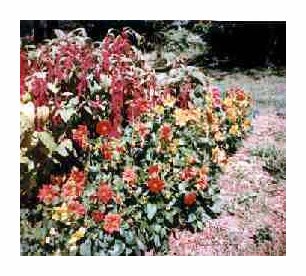
GARDENING AND UV RADIATION Gardeners in the New Millennium will have to take into consideration the earth changes now occurring: the blurring of the seasons, increased ultraviolet b radiation, changes in traditional precipitation patterns, etc. Several years ago the ozone depletion averaged 60% at the poles to 4% at the equator, allowing an additional 12% to 18% UV-b to reach the earth -- and if anything it is now worse. In addition, ozone "holes" are now drifting with increasing regularity across North America, such as the one which drifted over Chicago and New York in 1995 and the one over northern Europe in 1996, but we only hear of them well after the fact. Plants directly under those ozone "holes" receive an incredible dose of UV-b, and many are burned. In general, the cereal grains and grasses are only moderately sensitive to UV-b, while all of the most common food crops are far more susceptible. The lists below show the UV-b sensitivity in general terms: if those plants are to be saved for seed, a few selected plants can be grown in shaded areas, off-season in shaded greenhouses, etc. But growing food in bulk now means returning to the food crops of the past: amaranth, millet and dahlia's are prime examples. It is to those crops that most of my garden will be planted this year. Extremely sensitive: beans, beets, cabbage, cucumber, lettuce, peas, potato, pumpkin, onion, spinach, tomatoes. Moderately sensitive: carrots, cauliflower, chicory, collards, corn, parsnips, radish, wheat. Partial solutions to growing the sensitive crops are: grow only in shaded areas if possible, or shade with netting; plant main season crops early, or transplant late; or, switch to UV-b resistant strains where possible (substitute "Turk's Turban" edible gourd for pumpkin, for example).
Amaranth (Love Lies Bleeding) and buckwheat are both grains with a high UV tolerance.
------------------
|
1. Food | 2. Manna Meals | 3. Water | 4. Sanitation | 5. Medical, health |
| 6. Kerosene heaters and cookers | 7. Lighting | 8. Wood cooking and heating | | 9. Communications | 10. Essential Tools | 11. Home built items | | 12. Electrical; generators and power | 13. War preparedness | 14. Gardening |
|
|
||